Is DIY Wiring Safe in 2026? Expert Insights, Real Statistics & Proven Data
📑 Table of Contents
Introduction
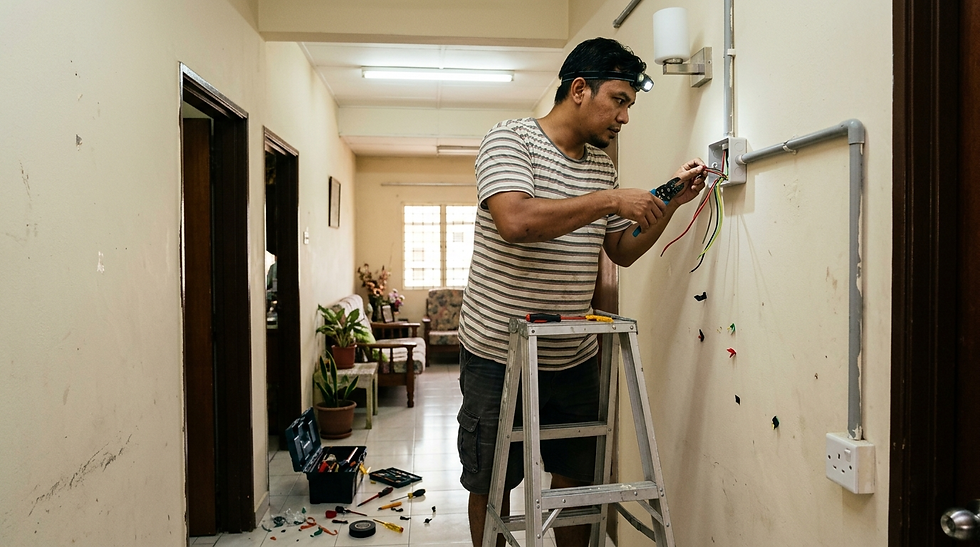
DIY wiring safety in 2026 is one of the most searched homeowner concerns—and for good reason.
With rising costs and endless online tutorials, more people are asking:
👉 “Can I safely do electrical work myself?”
The short answer?
Sometimes. But the risks are real—and backed by data.
This guide breaks down expert opinions, real statistics, and practical advice so you can make a smart, safe decision.
Why DIY Electrical Work Is Booming in 2026
Search trends show a sharp rise in keywords like:
“DIY wiring safety”
“how to install outlet yourself”
“is DIY electrical legal”
Why the surge?
📈 Labor costs for electricians have increased globally
🧠 AI tools now guide step-by-step home projects
⚡ Smart homes require more installations
🚗 EV charger demand is exploding
DIY feels more accessible than ever.
But accessibility ≠ safety.
The Real Risks You Can’t Ignore ⚠️
Electrical mistakes are different from other DIY errors.
They don’t just fail—they build risk silently.
Common issues include:
Incorrect wire sizing → overheating
Loose connections → arcing
Circuit overload → breaker failure
Poor grounding → shock hazards
And the biggest danger?
👉 Problems often stay hidden until they become emergencies.
Real Statistics: Electrical Fires & DIY Wiring Data 📊
Here’s a clearer, data-driven breakdown:
📊 Category | 🔢 Data | 🌍 Insight |
Annual Electrical Fires (U.S.) | ~46,700 homes/year | One of the leading causes of residential fires |
Deaths per Year | 400+ | High fatality risk compared to many other home incidents |
Injuries per Year | 1,300+ | Electrical fires often escalate quickly |
Property Damage | $1.5+ billion annually | Major financial impact on homeowners |
Global Fire Causes Ranking | Top 3 | Faulty wiring consistently ranks among leading causes |
UK Electrical Fire Causes | ~50% linked to wiring/outlets | Includes DIY modifications and improper installations |
Key Takeaway
👉 Improper electrical work—including DIY wiring—significantly increases the risk of residential fires.
What Electricians Really Think 👷
Across industry surveys and interviews, electricians consistently agree:
“DIY is fine for minor replacements—but not installations or upgrades.”
Professionals are trained to:
Calculate electrical loads correctly
Follow strict national electrical codes
Design systems for long-term safety
Identify risks before they happen
That’s not something most tutorials fully cover.

When DIY Wiring Can Be Safe ✅
Yes—some electrical work is generally considered safe for DIY.
Safe DIY Electrical Tasks
Replacing light fixtures
Swapping outlets or switches (same type)
Installing smart home devices
These tasks involve low complexity and minimal system changes.
Essential DIY Wiring Safety Tips
For SEO and safety, remember these core rules:
🔌 Always turn off power at the breaker
🧪 Test wires with a voltage tester
🧰 Use certified insulated tools
📘 Follow local electrical codes
🔍 Double-check all connections
If something feels confusing or uncertain—stop.
When DIY Becomes Dangerous 🚨
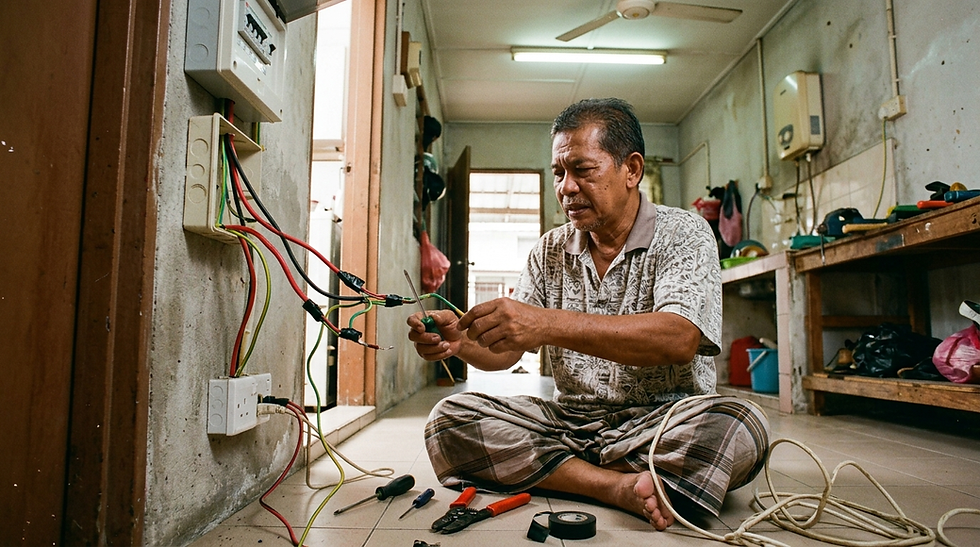
High-risk electrical work should never be DIY.
Avoid doing this yourself:
Full house rewiring
Installing new circuits
Electrical panel upgrades
EV charger installation
Outdoor or wet-area wiring
These require:
Permits
Inspections
Advanced load calculations
Mistakes here can lead to fire, injury, or legal issues.
Cost vs Consequences 💸
DIY wiring is often about saving money—but the real cost can be hidden.
Consider this:
Fixing faulty DIY work often costs 2–3× more than hiring a pro initially
Fire damage can exceed tens of thousands of dollars
Insurance claims may be denied for non-compliant wiring
So instead of asking:
👉 “Is DIY wiring cheaper?”
Ask:
👉 “Is DIY wiring worth the risk?”
Conclusion
So—is DIY wiring safe in 2026?
Yes… but only in limited situations.
✔️ Safe for: simple replacements❌ Unsafe for: installations, upgrades, or complex work
With real data showing the risks, one thing is clear:
👉 Electrical safety is not the place to cut corners.
FAQ (SEO Optimized)
Is DIY wiring safe for beginners?
Only for simple tasks like replacing outlets or fixtures. Complex wiring is not recommended.
Can DIY wiring cause fires?
Yes. Faulty wiring is a leading cause of residential fires worldwide.
Is DIY electrical work legal?
It depends on local laws. Many regions restrict major electrical work to licensed professionals.
Do I need a permit for electrical work?
Yes—for most installations, upgrades, and structural wiring changes.
How do I know if my wiring is unsafe?
Signs include frequent breaker trips, burning smells, flickering lights, or warm outlets.
Perlukan bantuan profesional untuk kerja wiring atau nak pastikan rumah anda selamat?
👉 Hubungi kami hari ini untuk konsultasi atau pemeriksaan keselamatan elektrik.
Pasukan kami sedia membantu anda dengan solusi yang selamat, dipercayai, dan mengikut piawaian.
💬 Jangan tunggu sampai jadi masalah—bertindak awal untuk keselamatan rumah anda.


Comments